
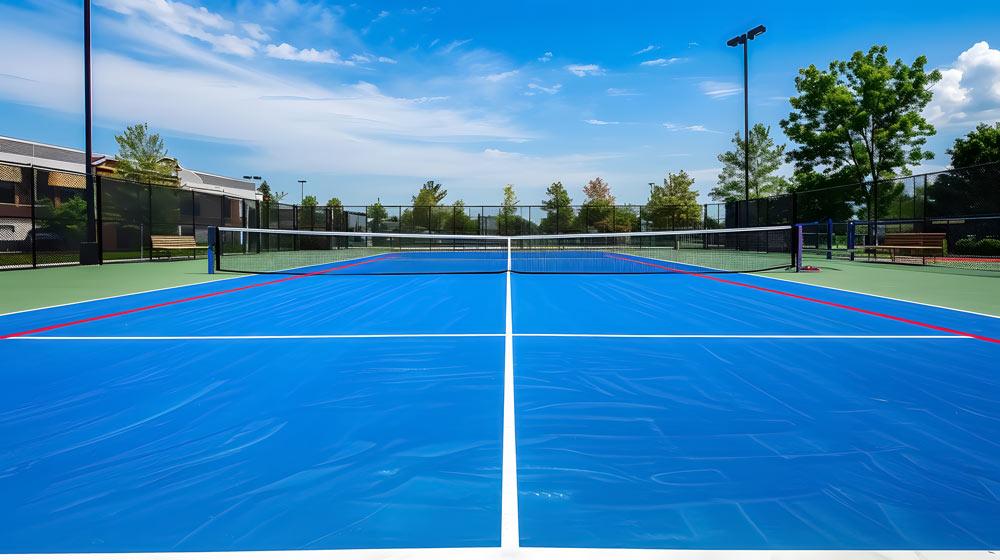
Investing in school sports courts is one of the best ways for educational institutions and clubs to enhance physical activity, encourage team sports, and provide a safe, durable space for students and members. All‑weather sports courts, in particular, offer numerous advantages over traditional outdoor surfaces. From year-round usability to reduced maintenance costs, these courts are transforming the way schools and clubs approach sports facilities.
1. Year-Round Usability
One of the most significant advantages of all-weather sports courts is their ability to be used throughout the year, regardless of weather conditions. Unlike grass or clay courts, which can become muddy, slippery, or waterlogged, all-weather surfaces allow students and club members to continue practicing, playing, and competing even during heavy rain or snow.
For schools, this means fewer cancelled PE lessons and a more consistent sports curriculum. Clubs benefit too, as members can enjoy uninterrupted training sessions and matches, boosting satisfaction and engagement.
2. Safety and Reduced Injury Risk
School sports courts made from high-quality all-weather surfaces are designed with safety in mind. These courts often feature shock-absorbing layers that reduce impact on joints, lowering the risk of injuries for players.
For young athletes, this is particularly important. Children are more prone to falls and strains, so a surface that offers grip and cushioning helps prevent accidents. Additionally, well-maintained courts avoid hazards like uneven ground, cracks, or puddles that are common with traditional outdoor surfaces.
3. Versatility for Multiple Sports
Modern all-weather sports courts are not limited to a single sport. They can be designed as multi-use facilities, supporting tennis, netball, basketball, football, and other activities.
This versatility makes them ideal for schools and clubs with limited space. Instead of constructing separate courts for each sport, a single, well-planned all-weather court can accommodate multiple activities, ensuring efficient use of space and resources. Line markings can be adapted or overlaid to cater to different sports, providing maximum functionality.
4. Low Maintenance and Long-Term Cost Savings
Unlike grass pitches that require regular mowing, watering, and reseeding, or clay courts that need constant rolling and upkeep, all-weather surfaces are remarkably low maintenance.
For schools and clubs operating on tight budgets, this translates into significant long-term savings. Simple cleaning and occasional inspections are usually sufficient to keep the court in top condition. The durable materials used in all-weather courts also resist wear and tear, ensuring that the facility remains functional and attractive for many years.
5. Enhanced Performance
Performance is another critical factor when it comes to school sports courts. All-weather surfaces provide consistent bounce, traction, and speed, allowing players to perform at their best.
For sports like tennis or basketball, where precision and responsiveness are essential, having a reliable surface can improve skill development and overall enjoyment. This consistency also benefits competitive school teams and clubs preparing for tournaments, giving them a professional-standard facility to train on.
6. Sustainability and Environmental Benefits
Many modern all-weather sports courts are made from sustainable materials and incorporate eco-friendly drainage systems. These surfaces reduce water usage compared to grass pitches, which require extensive irrigation.
Properly installed all-weather courts also manage rainwater effectively, preventing erosion and puddling. Schools and clubs adopting these surfaces demonstrate a commitment to environmentally responsible practices while enjoying the practical benefits of a durable sports facility.
7. Improved Aesthetics and School/Club Reputation
A well-designed all-weather sports court enhances the visual appeal of a school or club. Brightly coloured, clean, and clearly marked surfaces create an inviting environment for students and members.
For schools, this can positively influence prospective parents considering enrolment. Clubs benefit from a professional image that attracts members and encourages community use. A high-quality court signals investment in facilities and commitment to providing excellent sporting opportunities.
8. Increased Participation and Engagement
All-weather courts make sports more accessible and enjoyable, which naturally encourages participation. Students are more likely to engage in physical activity when facilities are reliable and safe, helping schools meet curriculum requirements and promote healthy lifestyles.
Similarly, clubs see higher member retention and satisfaction when their sports facilities are dependable. The ability to schedule matches and training sessions without worrying about weather disruptions ensures that members can enjoy their favourite activities consistently.
9. Customisation Options
All-weather courts can be customised to suit specific school or club needs. Options include different surface types, colours, and line markings. Fencing and lighting can also be incorporated to improve safety, security, and usability during evenings or low-light conditions.
This flexibility allows schools and clubs to create a tailored sports facility that meets both practical and aesthetic requirements. For instance, a school may prioritise multi-use functionality for PE classes, while a private club may focus on tennis-specific features.
10. Long-Term Investment
Finally, installing an all-weather sports court is a long-term investment. While the initial cost may be higher than traditional surfaces, the combination of durability, low maintenance, and year-round usability ensures that schools and clubs receive excellent value over time.
A well-constructed court can last 15–20 years or more with minimal upkeep, supporting countless hours of play and helping institutions meet their sports and community goals for decades.
Conclusion
Investing in school sports courts provides a range of benefits, from safety and performance to versatility and cost savings. All-weather courts allow schools and clubs to maintain consistent, year-round sporting activities, encourage participation, and create facilities that are safe, attractive, and long-lasting.
For educational institutions and clubs looking to enhance their sports infrastructure, all-weather sports courts offer an ideal solution that delivers both practical and long-term value.