When it comes to sports court fencing, choosing the right system is just as important as selecting the court surface itself. The fencing not only defines the court’s boundaries — it also plays a vital role in safety, durability, appearance, and overall usability. Whether you’re designing a tennis court, a multi-sports area for a school, or a community sports facility, well-designed fencing enhances both functionality and aesthetics.
In this article, we’ll explore what to consider when choosing fencing for your sports court, the types available, and key tips to ensure your investment delivers lasting performance.
1. Understand the Purpose of Sports Court Fencing
Before selecting a fencing system, it’s essential to consider what the fencing needs to achieve.
-
Safety and Containment: The primary function of sports court fencing is to keep players, spectators, and property safe. It prevents balls from leaving the court and reduces the risk of injury or damage.
-
Security: For schools and clubs, fencing adds an important layer of security, keeping facilities protected from vandalism or unauthorised access.
-
Aesthetics: Modern fencing systems enhance the appearance of sports facilities, creating a clean, professional look that complements the surrounding environment.
Understanding these core objectives will help guide every decision during your sports court fencing project.
2. Choose the Right Height and Design
The height and layout of your fencing depend on the type of sport being played.
-
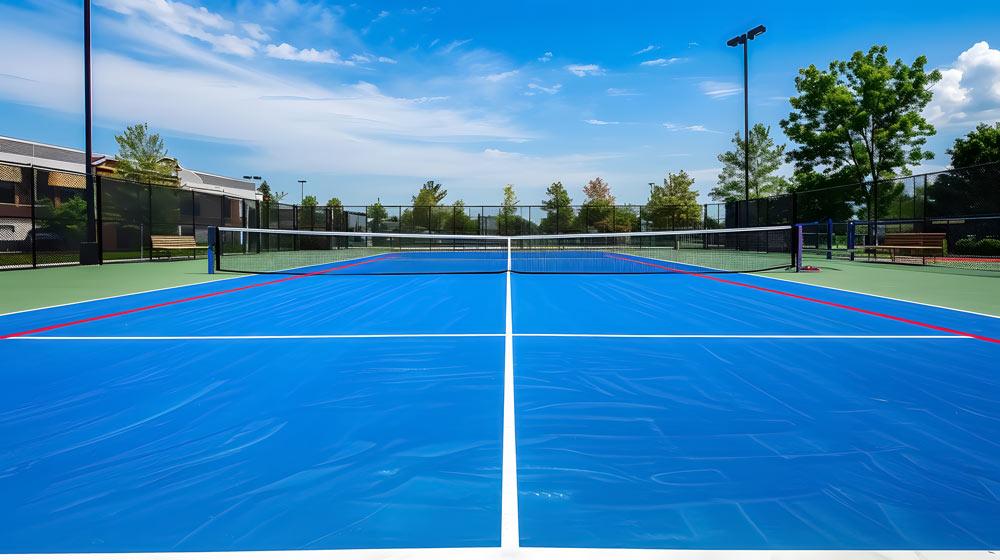
Tennis courts: Typically require 2.75m-high fencing to contain balls effectively.
-
Multi-sports courts (MUGAs): Often use variable heights — 3m on sides and 4m behind goals — to handle different activities.
-
School courts: May need higher fencing for safety and to prevent equipment from escaping into nearby areas.
A professional sports court fencing contractor will help determine the right height and configuration for your facility, ensuring it meets both performance and safety standards.
3. Consider Durability and Material Quality
Sports courts experience constant wear from weather, players, and repeated ball impact. That’s why durable materials are crucial.
Galvanised Steel Mesh
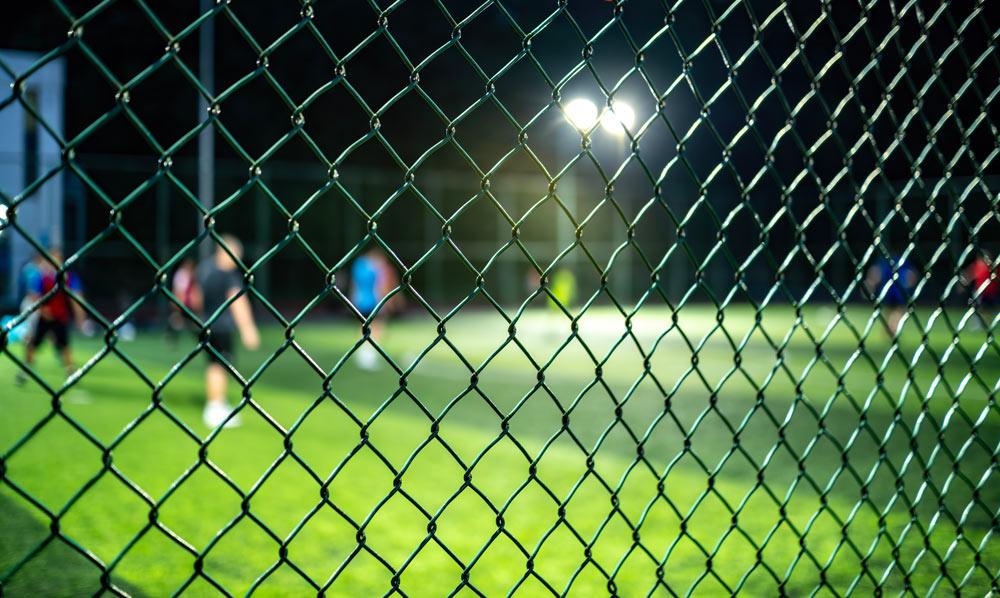
The most popular choice for sports court fencing, galvanised steel mesh is tough, long-lasting, and resistant to rust. It’s available in various mesh sizes depending on the sport, with tighter mesh for tennis and looser mesh for football or basketball.
Powder-Coated Finishes
Adding a powder-coated finish improves resistance to corrosion and allows custom colour options — typically green or black to blend with surroundings.
Reinforced Posts and Frames
Strong support posts and reinforced corners help prevent sagging and movement over time, maintaining a secure, professional look for years.
Durability is one of the best long-term investments you can make when planning sports court fencing — it reduces maintenance and replacement costs significantly.
4. Prioritise Player and Spectator Safety
Safety is a major factor in fencing design. Sharp edges, gaps, or protruding fixings can pose serious risks, particularly in schools.
Look for fencing systems that:
-
Have smooth welded joints and flush fittings.
-
Include rounded top edges or capping rails to prevent injuries.
-
Offer flexible mesh that absorbs ball impact rather than bending or snapping.
Professional installation ensures your fencing meets safety regulations and provides peace of mind for both players and spectators.
5. Ensure Clear Visibility and Aesthetics
Visibility is an often-overlooked factor in sports court fencing design. Players need to see the ball clearly against the background, while spectators and coaches should have a clear view of the game.
Wire mesh fencing provides excellent visibility without compromising security. Modern coatings and thinner wire options allow unobstructed views while maintaining strength.
From an aesthetic perspective, a clean, well-installed fence gives the entire facility a professional appearance. Matching the colour of the fence to other court elements — such as posts or surfaces — creates a unified, attractive look that enhances the overall environment.
6. Choose Fencing That Matches Your Budget and Maintenance Capacity
Budget is always a consideration, especially for schools, councils, and community sports projects. However, cheap fencing often results in higher long-term costs due to corrosion, damage, or early replacement.
Budget Options
-
Chain link fencing offers an affordable solution for smaller facilities but may require more maintenance.
Mid-Range Options
-
Twin wire or welded mesh systems provide a balance of affordability, security, and durability, ideal for most school or club installations.
Premium Options
-
Heavy-duty rebound fencing or integrated acoustic panels provide maximum durability and performance for professional or multi-sport facilities.
Consider your budget alongside the expected usage levels and maintenance capacity. Investing in high-quality sports court fencing initially can save significant costs in the long run.
7. Think About Noise Reduction
In residential areas or school environments, noise can be a concern. Constant ball impact on metal fencing can be disruptive.
To minimise this:
-
Opt for rebound mesh fencing with reinforced lower panels that absorb ball impact.
-
Install rubber dampening strips between posts and panels to reduce vibration noise.
-
Choose polymeric coatings that soften sound and extend material life.
Noise control ensures your facility remains a good neighbour while maintaining performance and player experience.
8. Consider Gate Placement and Access Control
A good fencing system isn’t complete without the right access points. Properly placed gates improve traffic flow and security.
-
Single pedestrian gates are ideal for players and maintenance access.
-
Double-width gates allow vehicle entry for cleaning or equipment delivery.
-
Position gates away from high-play zones to prevent interference during games.
Adding lockable gates ensures your court remains secure when not in use — an essential feature for schools and private clubs.
9. Adapt Fencing for Multi-Sports Use
If your court is used for more than one sport, flexible design is key. Multi-use games areas (MUGAs) benefit from fencing systems that can handle various types of ball impact and frequent use.
Features like rebound panels, interchangeable goal units, and multi-height sections provide the versatility needed for sports such as football, basketball, netball, and tennis.
Consult a specialist in sports court fencing to design a layout that supports multi-sport functionality without compromising safety or play quality.
10. Work with Experienced Professionals
Perhaps the most important tip is to partner with a professional sports court fencing installer. Expertise ensures compliance with industry standards, correct material selection, and a flawless finish.
An experienced company will:
-
Assess your site and recommend the best materials.
-
Ensure accurate installation for structural integrity and safety.
-
Provide aftercare advice for cleaning, maintenance, and longevity.
Professional installation guarantees your fencing performs well for years — protecting players, enhancing appearance, and reducing future repair costs.
Conclusion
Choosing the right sports court fencing is essential to creating a safe, secure, and visually appealing sports facility. From material quality and height to visibility, safety, and noise reduction, every detail contributes to performance and longevity.
By investing in durable, professionally installed fencing, schools, clubs, and community facilities can create environments that encourage participation, protect players, and look great for years to come.
Whether you’re planning a new court or upgrading existing facilities, prioritising high-quality fencing will always pay off — both in safety and long-term value.