When it comes to tennis court construction, selecting the right surface is one of the most critical decisions you will make. The surface type directly affects gameplay, player safety, maintenance requirements, and the overall lifespan of the court. For schools, clubs, and private facilities, understanding the different options available for tennis and multi-sports courts is essential to ensure optimal performance and enjoyment.
In this guide, we’ll explore the factors to consider when choosing the right surface, the different types of court surfaces, and tips to make the best decision for your facility.
1. Consider the Primary Use of the Court
The first step in any tennis court construction project is determining how the court will be used. Will it host competitive matches, school PE classes, casual play, or multi-sports activities?
-
Tennis-specific courts: These require surfaces that provide consistent bounce, good traction, and durability.
-
Multi-sports courts: If the court will accommodate basketball, netball, or football, consider surfaces that can support various line markings and withstand heavier foot traffic.
Understanding the primary use will guide your choice of materials and design specifications, ensuring the court meets your facility’s needs.
2. Assess the Level of Play
The skill level of users is another key consideration in tennis court construction.
-
Recreational players: For schools and community clubs, a medium-paced surface that is safe and forgiving on joints is ideal.
-
Competitive players: High-level tennis players may require faster surfaces that enhance ball speed and allow precision shots.
Selecting a surface that aligns with the expected level of play ensures a better user experience and reduces the risk of injuries.
3. Evaluate Surface Options
There are several types of surfaces available for tennis and multi-sports courts, each with unique characteristics:
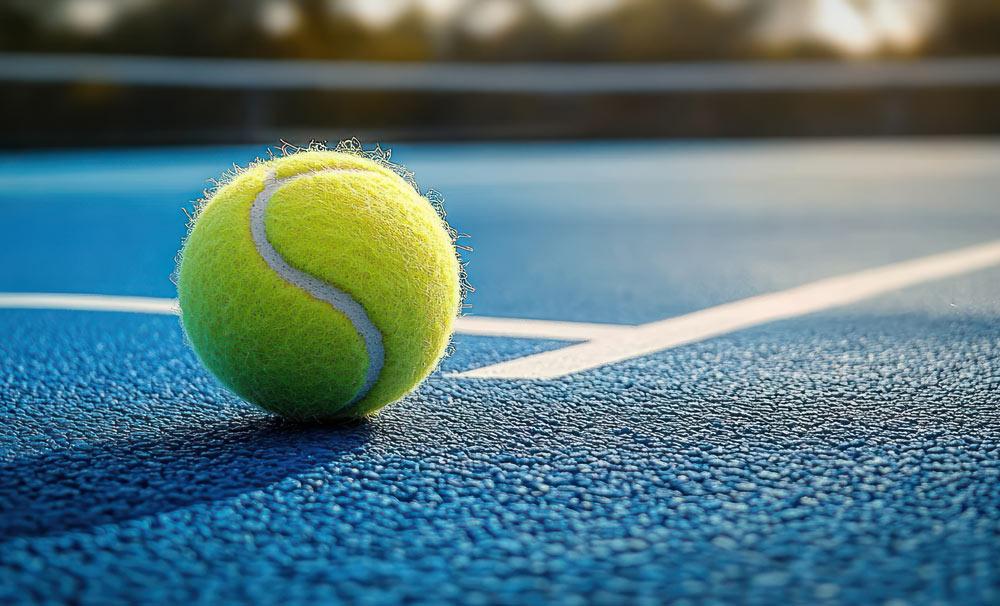
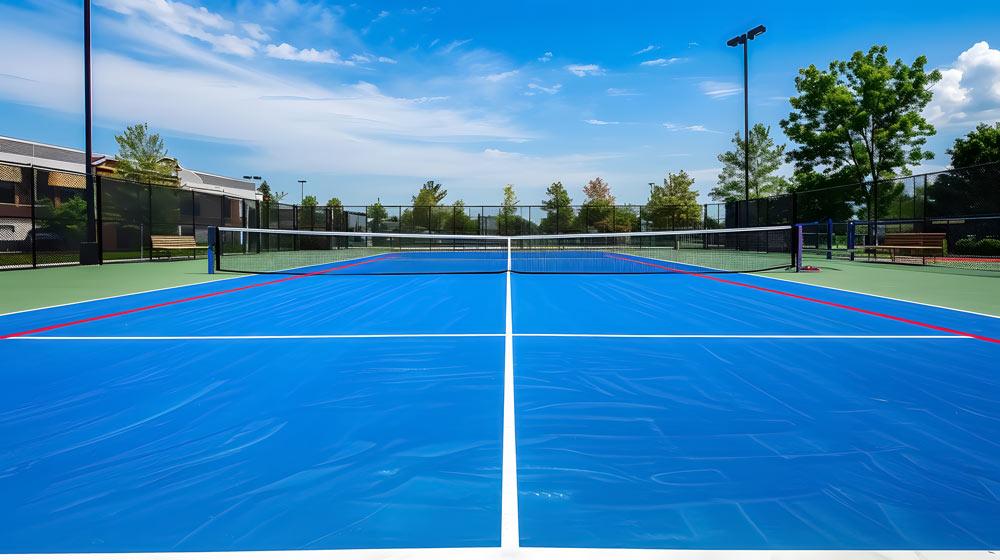
a) Acrylic Hard Courts
-
Durable, low-maintenance, and ideal for schools and clubs.
-
Provides a consistent bounce and medium-paced play.
-
Can be customised with different colours and line markings.
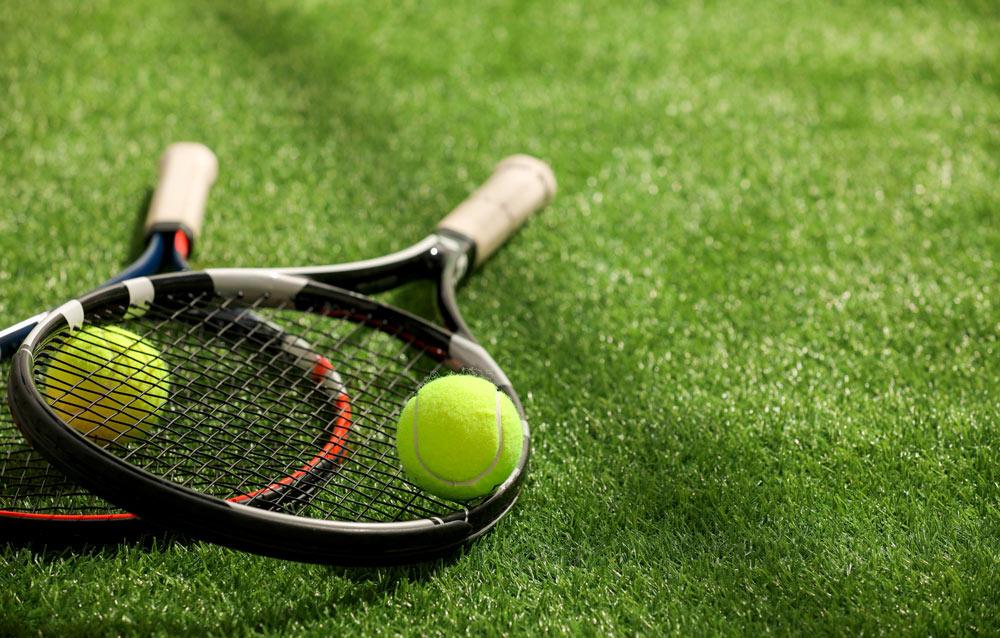
b) Artificial Grass
-
Provides a softer playing surface, reducing joint impact.
-
Requires less maintenance than natural grass and can be used year-round.
-
Excellent for multi-sports courts in schools and clubs.
c) Clay Courts
-
Favoured in professional tennis for slower ball speed and strategic play.
-
Requires regular maintenance and may not be ideal for high-traffic multi-sports use.
-
Best suited for clubs with dedicated tennis programs.
d) Multi-Use Sports Surfaces
-
Typically constructed from synthetic or resin-bound materials.
-
Accommodates various sports including basketball, netball, and tennis.
-
Durable, low-maintenance, and weather-resistant.
By understanding the pros and cons of each surface type, facility managers can make an informed decision that balances performance, durability, and maintenance.
4. Factor in Climate and Weather
The local climate plays a significant role in tennis court construction decisions.
-
Wet or rainy regions: Surfaces with excellent drainage, like acrylic hard courts or synthetic materials, prevent waterlogging and reduce downtime.
-
Hot climates: Certain surfaces can absorb heat, making them uncomfortable to play on during summer. Light-coloured acrylic or synthetic surfaces help reduce heat retention.
Considering weather conditions ensures the court is usable year-round and reduces potential maintenance issues caused by water or heat damage.
5. Prioritise Safety and Comfort
Player safety should always be a top priority in tennis court construction.
-
Opt for surfaces that provide good traction to prevent slips and falls.
-
Shock-absorbing layers can reduce stress on joints, especially for younger players in schools.
-
Smooth, even surfaces without cracks or irregularities reduce the risk of injuries.
A safe and comfortable playing environment encourages more frequent use and supports long-term participation.
6. Maintenance Requirements
Different surfaces have varying maintenance needs:
-
Acrylic and synthetic surfaces: Low maintenance, requiring occasional cleaning and inspection.
-
Artificial grass: Requires brushing to maintain fibres and ensure even wear.
-
Clay courts: High maintenance, including regular rolling, watering, and line marking.
Schools and clubs with limited maintenance resources may prefer low-maintenance surfaces to ensure consistent usability without excessive cost or effort.
7. Budget and Long-Term Investment
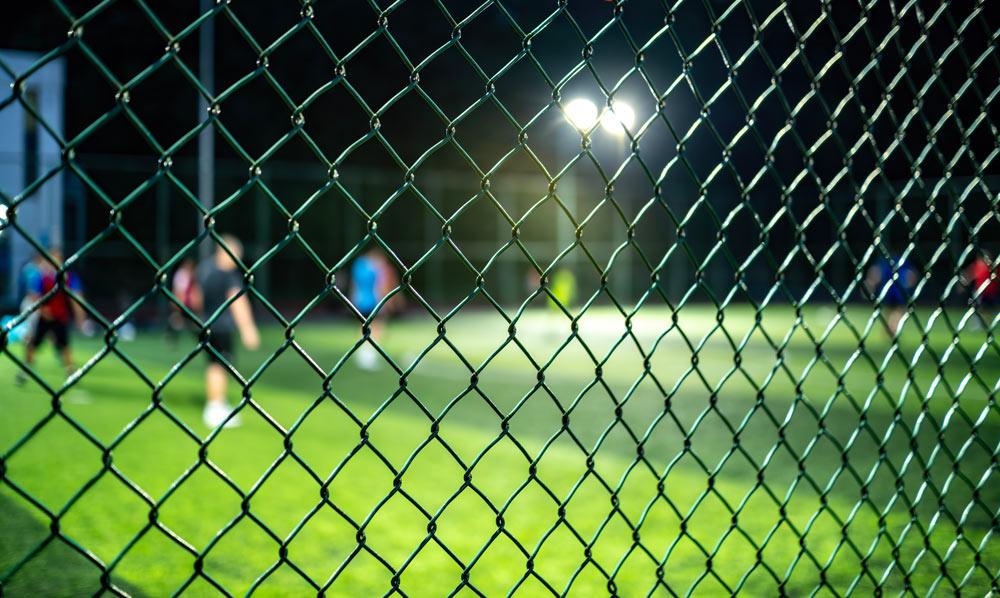
The cost of tennis court construction varies depending on the surface, size, and additional features like fencing, lighting, and line markings.
-
Initial cost: Hard courts and synthetic surfaces typically have a higher upfront cost but lower maintenance.
-
Long-term value: Durable surfaces reduce repair costs and downtime, offering better value over time.
Balancing budget with long-term durability is crucial to ensure the court remains a practical investment.
8. Customisation and Aesthetics
Modern tennis court construction allows for customisation to meet specific needs and enhance aesthetics:
-
Surface colours can be chosen to complement school branding or club colours.
-
Multi-sports line markings can be added for flexibility.
-
Additional features like fencing, net posts, and lighting improve usability and safety.
Customised courts not only serve functional needs but also create a visually appealing facility that enhances the overall experience for players.
9. Consult Experts
Partnering with a professional tennis court construction company ensures your facility is designed and built to the highest standards.
-
Experienced installers can advise on surface types, drainage, and court layout.
-
Professionals ensure proper base preparation, which is critical for long-term durability.
-
Expert guidance helps avoid costly mistakes and ensures compliance with relevant regulations and standards.
Working with specialists ensures that your tennis or multi-sports court delivers maximum performance, safety, and longevity.
10. Plan for Future Needs
When selecting a surface, consider potential future requirements:
-
Will the facility expand to accommodate additional sports?
-
Are there plans for competitive training programs or tournaments?
-
Could climate or usage patterns change over time?
Planning ahead helps schools and clubs invest in a surface that remains suitable for evolving needs, avoiding the need for costly upgrades or replacements.
Conclusion
Choosing the right surface is essential for successful tennis court construction. By considering factors such as intended use, level of play, climate, safety, maintenance, budget, and customisation, schools and clubs can select a surface that provides maximum enjoyment, durability, and long-term value.
Investing in a carefully selected court surface ensures a safe, versatile, and professional-standard facility that encourages participation, improves performance, and meets the needs of players for years to come.